
LuxWall has announced that its Enthermal vacuum insulated glass product has received a third-party verified Environmental Product Declaration (EPD), adding standardized lifecycle-impact data that can support specification decisions across commercial building projects. For facade consultants, architects and glazing contractors, the development reflects how product transparency is becoming a more influential factor in material selection and project documentation.
Quick Navigation: Use the table of contents below to jump to each section.
Table of Contents
- What Happened
- Why It Matters for the Building Envelope Sector
- Market Implications for Specifiers and Manufacturers
- AUMEGI Industry Perspective
- Sources
What Happened
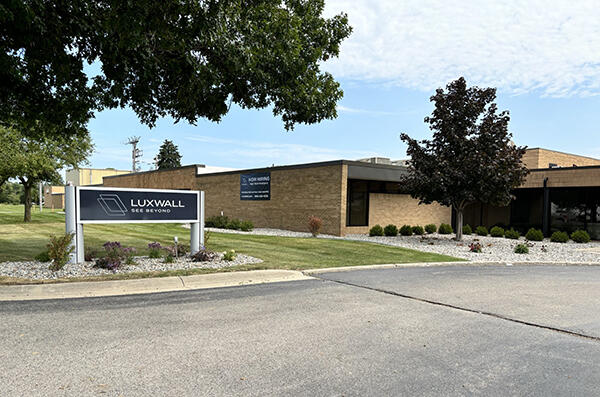
According to Glass Magazine, LuxWall said Enthermal now carries a verified EPD that gives project teams a standardized view of environmental impact across the product lifecycle. In practical terms, this makes it easier for stakeholders to compare performance claims within sustainability frameworks and documentation packages used in design, procurement and certification workflows.
The announcement is notable because environmental disclosure is increasingly moving from a differentiator to a baseline requirement in North American specification channels. As building owners and design teams pursue lower-carbon strategies, verified product data is gaining weight alongside thermal performance, visual quality and installation considerations.
Why It Matters for the Building Envelope Sector
For the fenestration and facade market, EPD availability can influence early-stage product screening, especially on projects where embodied carbon, ESG reporting and green-building targets shape procurement choices. Vacuum insulated glass is already positioned around thermal efficiency and space-saving performance; adding third-party lifecycle documentation can strengthen its credibility in specification discussions.
This also aligns with a broader market trend: manufacturers are being asked not only to deliver high-performance glazing systems, but also to provide auditable environmental data that supports architects, consultants and developers in making defensible material decisions.
Market Implications for Specifiers and Manufacturers
For specifiers, the immediate value lies in simplified product evaluation and better alignment with sustainability reporting requirements. For manufacturers, the move underscores a competitive reality: transparent environmental documentation is becoming part of commercial readiness, not just a marketing add-on.
Across the North American envelope sector, this may encourage more suppliers to accelerate EPD programs, lifecycle assessments and other forms of verified sustainability disclosure. Companies that combine high thermal performance with strong documentation may be better positioned in institutional, commercial and premium residential opportunities where procurement standards are tightening.
AUMEGI Industry Perspective
From AUMEGI’s perspective, the LuxWall update reinforces a clear direction in the global building-envelope market: high-performance products increasingly need equally strong documentation. For exporters, fabricators and system suppliers, future competitiveness will depend not only on U-values, durability and fabrication quality, but also on the ability to provide transparent sustainability data that supports architects and developers through specification and compliance processes.